
South America gets a bad reputation for solo female travel, and most of it is outdated nonsense.
After years of bouncing between cities like Buenos Aires, Lima, Santiago, Medellín, Florianopolis, Cusco, Arequipa, Valparaiso, Mendoza, Salta, and Bariloche as a digital nomad, I can confirm that plenty of South American cities are safer, more walkable, and better equipped for remote work than half the places in Europe or North America.
The WiFi works. The neighborhoods feel secure. The expat communities are real, not fabricated Instagram fantasies.
The difference between feeling safe and feeling isolated often comes down to choosing the right neighborhood, understanding local transit, and connecting with communities already on the ground. Some cities roll out the red carpet for solo women and remote workers. Others require more navigation.
This guide covers the Best South America Travel destinations and cities where I have lived, worked, and wandered as a female digital nomad.
What Makes a South American City Great for Female Travelers and Digital Nomads
Not every city in South America works for solo female travelers or digital nomads, and pretending otherwise sets you up for frustration.
The best cities share a handful of non-negotiable traits.
- Reliable internet infrastructure is the baseline. If you cannot find coworking spaces or cafes with stable WiFi, the city fails the digital nomad test immediately.
- Walkable neighborhoods with visible street activity matter because isolation breeds vulnerability. Cities where people are out walking dogs, grabbing coffee, and moving through public spaces during daylight and evening hours feel inherently safer.
- Established expat and local English-speaking communities create social safety nets. When you can find Facebook groups, coworking meetups, and local contacts who speak your language, navigating bureaucracy and emergencies becomes manageable instead of paralyzing.
- Public transit that functions reliably also separates the great cities from the frustrating ones. Metros, bus rapid transit systems, and ride-sharing apps that work consistently mean you are not trapped in expensive taxis or unsafe situations.
Finally, neighborhoods with visible police presence and well-lit streets provide the physical safety layer that lets you relax instead of constantly calculating risk.
The cities that check all these boxes are not always the ones that dominate travel blogs or Instagram feeds. Sometimes the safest, most functional cities for female digital nomads are the ones that feel boring to backpackers chasing adventure over infrastructure.
Travel Essentials
e-SIM 📱
Always staying connected using Airalo or use my code to get a discount MASHA6632.
Americans can enjoy Google Fi coverage all over the world and I have $60 credit for you. I personally keep Google Fi always on to have access to my US number.
Worldwide Banking 💳
I use PayPal and WISE when I travel to avoid compromising my actual banking accounts.
Travel Insurance 💚
I am using SafetyWing since 2020 and have always had great experience and fast claims’ payouts. Get 20$ credit with my invite.
Buenos Aires, Argentina
Buenos Aires feels like Europe decided to relocate to South America and forgot to tell anyone. I lived here for 6 months on a digital nomad visa and loved the city.
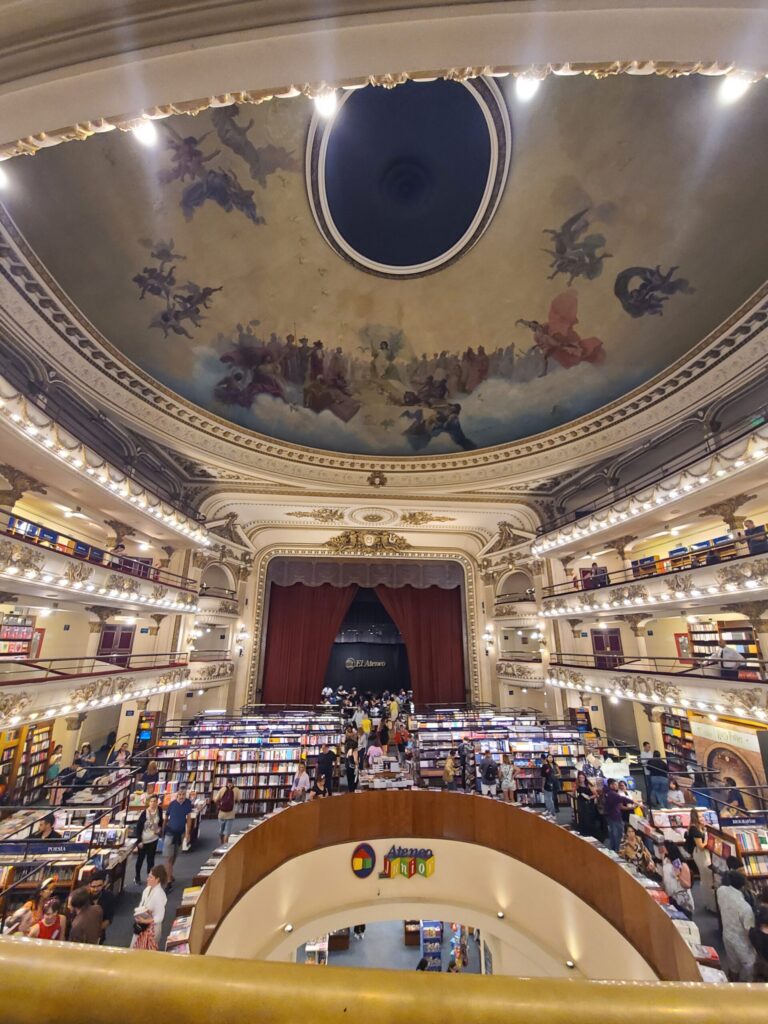
The city operates on a completely different rhythm than the rest of the continent. Dinner starts at 10 PM. Cafes stay packed until midnight.
The architecture in neighborhoods like Recoleta and Palermo could pass for Paris or Madrid.
For digital nomads, Buenos Aires delivers coworking spaces on nearly every block in Palermo Soho or Hollywood (where I usually stay), reliable high-speed internet, and a massive expat community that spans freelancers, remote workers, and long-term travelers. Belgrano is incredibly livable for long-term expats, too.
Safety-wise, Buenos Aires requires the same awareness you would bring to any major city. Pickpocketing happens on crowded subways and in tourist-heavy areas like San Telmo during the Sunday market, even though I always felt safe there.
Keep your phone out of your back pocket,be especially careful if you have an iPhone. Do not flash expensive cameras in crowded spaces. Stick to well-populated neighborhoods after dark.
Palermo, Recoleta, and Belgrano are safe for solo women walking alone at night. Once (the traditional downtown area) and some parts of La Boca require more caution after sunset.
- Coworking culture: Urban Station, Huearts, Casa Crespo, and La Maquinita Co offer day passes, monthly memberships, and active networking events.
- Affordable living: Monthly rent for a one-bedroom apartment in Palermo ranges from 700 to 2500 USD dpending on the specific block and amenities.
- Food scene: Parrillas serve massive steaks. But a meal at a local parrilla can easily run 80,000 ARS. Coffee at expat coffee shops costs around 6,000 ARS. It is better and cheaper to cook at home.
- Transit: The Subte metro system connects most neighborhoods. Ride-sharing apps like Uber, Cabify, and Didi work reliably. Buses run everywhere, but sometimes drivers a bit creative with the routes.
The biggest downside is the economic and immigration politics instability. Inflation shifts prices weekly. ATM withdrawal limits frustrate expats. Bring USD in cash and exchange through arbolitos (informal money changers) to get better rates than official bank exchanges. This is common practice and widely accepted.
Buenos Aires works best for digital nomads who want European vibes, world-class coffee culture, and a thriving nightlife scene. If you value walkability, social opportunities, and infrastructure, Buenos Aires delivers on all fronts. Prices in Buenos Aires in 2026 are very high, so budget accordingly and plan to spend more than you might expect for South America.
Mendoza, Argentina
Mendoza is wine country wrapped in Andes Mountain views.
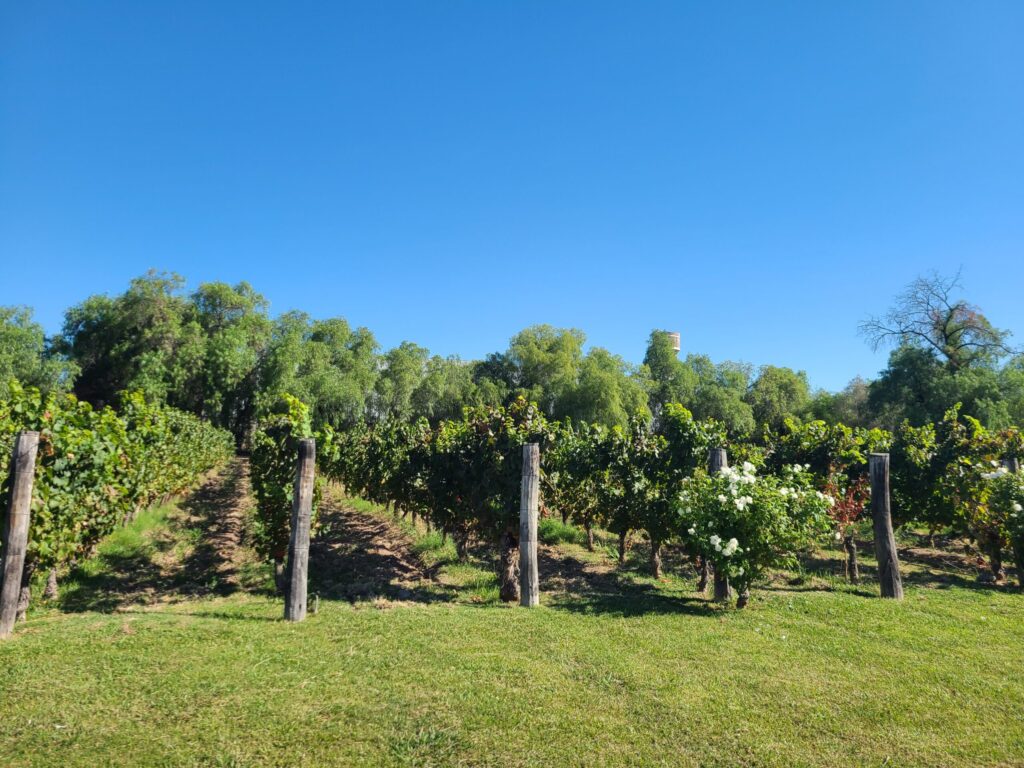
Located in western Argentina near the Chilean border, Mendoza operates as a mid-sized city with small-town charm. The economy revolves around wine production, outdoor recreation, and tourism. For digital nomads, Mendoza offers a slower pace than Buenos Aires with enough infrastructure to support remote work and plenty of weekend adventures within reach.
Safety in Mendoza is excellent. The city feels calm and walkable. Violent crime is rare. Petty theft exists but is far less common than in Buenos Aires or other major Argentine cities. Women walk alone at night in the city center and residential neighborhoods without issue.
- Wine and food culture: Mendoza is Argentina’s wine capital. Malbec vineyards stretch for miles outside the city. Wine tours, tastings, and vineyard visits fill weekends. Asado (Argentine barbecue) restaurants serve massive portions at low prices.
- Outdoor access: Hiking, mountain biking, white-water rafting, and skiing (during winter months) are accessible within a few hours. Aconcagua, the highest peak in South America, sits just outside the city.
- Coworking and WiFi: Coworking spaces like Espacio de Trabajo and Work Cafe provide reliable internet and workspace options. The scene is smaller than Buenos Aires, but the infrastructure exists for remote work.
- Cost of living: Mendoza is cheaper than Buenos Aires. One-bedroom apartments cost 300 to 500 USD monthly. Meals at local restaurants run 6 to 12 USD. Wine is cheaper than water.
- Expat community: The digital nomad scene is minimal. Most expats in Mendoza are retirees or people working in the wine industry. Finding other remote workers requires effort.
Mendoza works for digital nomads who want outdoor access, wine culture, and a quiet lifestyle. The city lacks the social infrastructure and nightlife of Buenos Aires, but the trade-off is safety, affordability, and proximity to some of South America’s best hiking and skiing.
Salta, Argentina
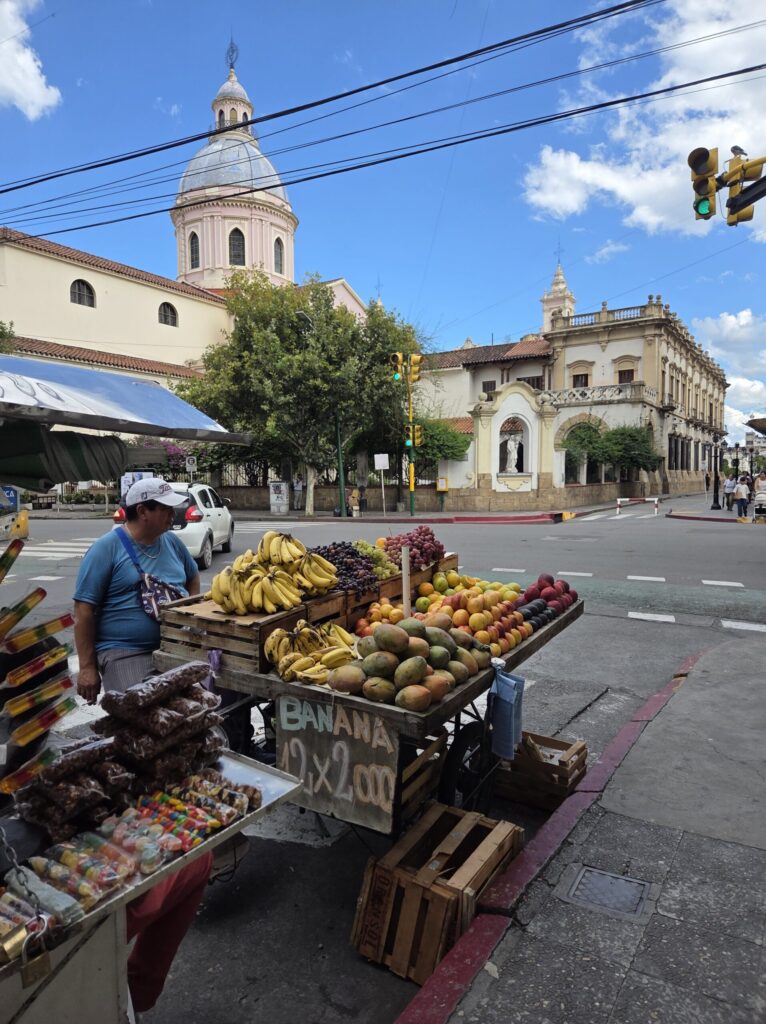
Salta is Argentina’s colonial gem tucked into the northwest corner of the country.
The city sits in a valley surrounded by dramatic mountain ranges, colorful rock formations, and high-altitude deserts. Salta combines Spanish colonial architecture with indigenous Andean culture, creating an atmosphere that feels distinct from the European-influenced cities of central Argentina. For digital nomads, Salta offers cultural depth and natural beauty with functional infrastructure at very low costs.
Safety in Salta is good. The city center is walkable and safe during the day and evening. Petty theft happens but is less frequent than in larger Argentine cities. Women walk alone without constant concern. Stick to well-lit streets after dark and use ride-sharing apps for late-night transportation.
- Cultural and natural attractions: Salta serves as the base for exploring Cafayate wine region, Quebrada de Humahuaca, salt flats, and multicolored mountain ranges. Weekend trips reveal some of Argentina’s most dramatic landscapes.
- Coworking and internet: Coworking infrastructure is limited. A few cafes in the city center offer decent WiFi, but dedicated coworking spaces are rare. Most digital nomads work from cafes or apartments. Test internet speeds before committing to long-term stays.
- Cost of living: Salta is one of the cheapest cities in Argentina. One-bedroom apartments cost 200 to 400 USD monthly. Meals at local restaurants run 5 to 10 USD. The low costs make extended stays financially easy.
- Expat community: The digital nomad scene is nearly nonexistent. Salta attracts backpackers and retirees, not remote workers. Social connections require effort and integration into local communities.
- Altitude: Salta sits at 1,200 meters elevation. Most people adjust quickly, but some experience mild altitude effects initially.
Salta works for digital nomads who want cultural immersion, natural beauty, and extremely low costs. The lack of coworking culture and expat community makes it better suited for independent workers who do not need social infrastructure to stay productive. Spend a few weeks or months here to explore the region, then move to Buenos Aires or Mendoza for more robust work infrastructure.
Bariloche, Argentina
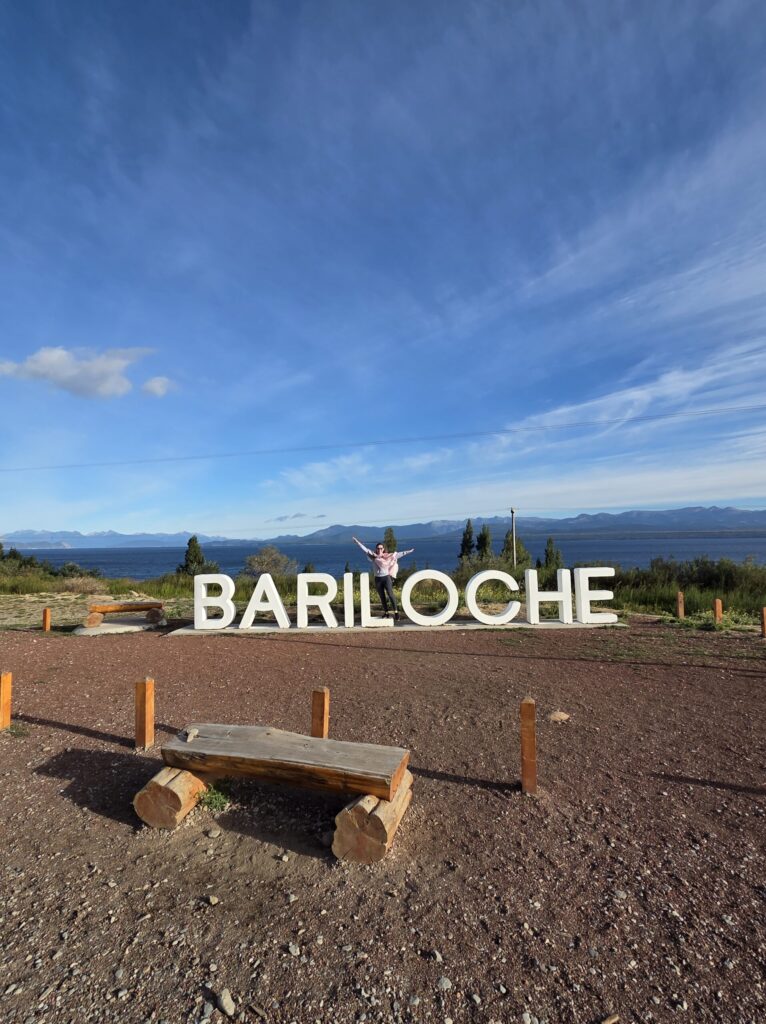
Bariloche looks like Switzerland dropped into Patagonia.
Located in the Argentine Lake District, Bariloche sits on the shores of Nahuel Huapi Lake surrounded by snow-capped mountains and dense forests. The city operates primarily as a ski destination in winter and a hiking base in summer. Alpine architecture, chocolate shops lining the main street, and outdoor recreation culture dominate the atmosphere.
Bariloche is not a digital nomad city in the traditional sense. The infrastructure supports tourism, not remote work. Most people come here for a few weeks to ski, hike, or escape city life, not to settle in for months of focused work.
- Seasonal considerations: Winter (June to September) brings snow sports, crowded ski resorts, and higher prices. Summer (December to March) offers hiking, lake access, and better weather for exploring. Shoulder seasons (spring and fall) deliver quieter streets and lower costs but limited outdoor activities.
- Coworking and WiFi: Coworking spaces are nearly nonexistent. A few cafes in the city center offer WiFi, but speeds and reliability vary. This is a city for taking a break from work, not sustaining productivity.
- Cost of living: Bariloche is more expensive than most Argentine cities due to tourism. Short-term rentals cost 400 to 700 USD monthly depending on the season. Meals at restaurants run 10 to 18 USD.
- Safety: Bariloche is safe. The city feels calm and tourist-friendly. Petty theft targeting tourists exists but is uncommon. Women walk alone without concern during the day and evening.
- Outdoor access: Skiing, snowboarding, hiking, mountain biking, kayaking, and rock climbing fill the activity list. Cerro Catedral ski resort is one of South America’s largest. Hiking trails range from easy lakeside walks to multi-day backcountry routes.
Bariloche works for digital nomads who need a few weeks to reset surrounded by mountains and lakes. The infrastructure for serious work is lacking, but the natural beauty and outdoor opportunities are unmatched. Use Bariloche as a seasonal escape, not a long-term base.
Santiago, Chile
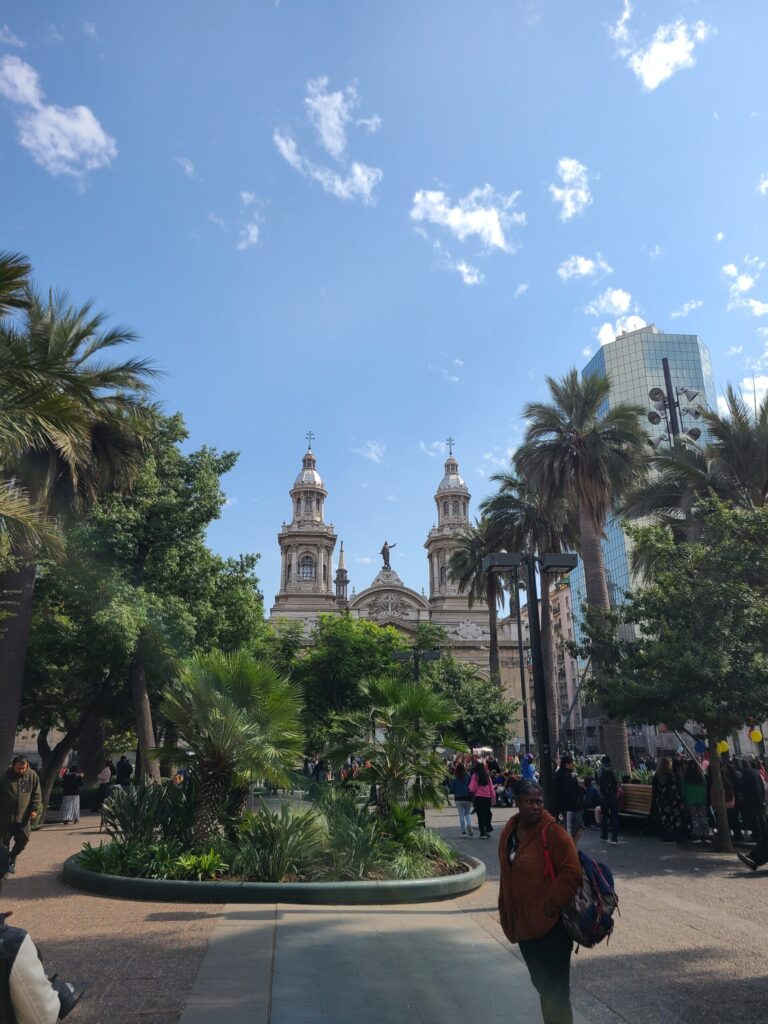
Santiago does not try to charm you, and that is exactly why it works for long-term living.
This is not a city that begs for your attention with colonial architecture or beach access. Santiago operates like a functional, modern metropolis where the metro runs on time, the internet never cuts out, and the neighborhoods feel predictable in the best way. For digital nomads prioritizing productivity over adventure, Santiago provides the infrastructure to get work done without distractions.
The city sits in a valley surrounded by the Andes Mountains, which means you can snowboard in the morning and be back in the city by afternoon during winter months. Safety in Santiago ranks among the highest in South America. Women walk alone at night in neighborhoods like Providencia, Las Condes, and Vitacura without the constant mental calculation required in other major cities. Street crime exists, but violent crime targeting tourists or expats is rare.
- Choose the right neighborhood: Providencia and Las Condes offer walkable streets, shopping centers, parks, and coworking spaces. Lastarria provides a more bohemian vibe with galleries, independent cafes, and weekend markets.
- Master the metro: The Santiago Metro is clean, efficient, and connects every major neighborhood. Buy a Bip card at any metro station and load it with credit. Rush hour gets packed, but the system runs smoothly even during peak times.
- Expect higher costs: Chile is the most expensive South American country for day-to-day living. A decent one-bedroom apartment in Providencia costs 600 to 900 USD monthly. Meals at mid-range restaurants run 12 to 20 USD.
- Learn basic Spanish: English speakers are harder to find in Santiago compared to Buenos Aires or Medellín. Basic Spanish phrases will make daily interactions smoother, especially in local shops and markets.
The coworking scene in Santiago leans corporate. Spaces like WeWork, Espacio Riesco, and The Nest cater to startups and remote professionals. The social aspect is less vibrant than Buenos Aires, but the trade-off is stability and functionality.
Santiago suits digital nomads who want predictability, strong infrastructure, and easy access to outdoor activities. If you need a city that just works without drama, Santiago is the answer.
Valparaiso, Chile
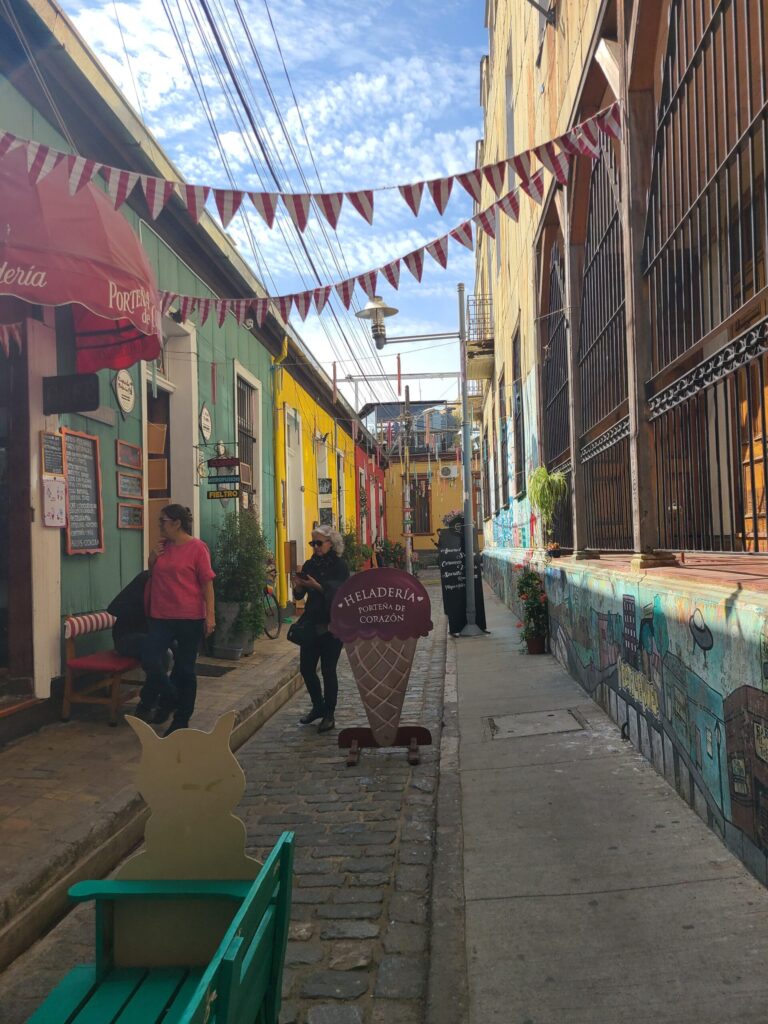
Valparaiso is where artists go when they need inspiration and digital nomads go when they need a break from corporate energy.
The city cascades down hillsides in a riot of colorful street art, funicular elevators, and winding staircases. Located 90 minutes from Santiago by bus, Valparaiso operates as the creative counterpoint to the capital’s buttoned-up efficiency. The port city feels like a living art installation where every wall tells a story and every corner reveals another layer of bohemian culture.
Safety in Valparaiso requires more awareness than Santiago. The steep hills create isolated pockets where street crime happens, especially after dark. Stick to well-traveled areas like Cerro Concepcion and Cerro Alegre during the day. These hillside neighborhoods are walkable, tourist-friendly, and where most cafes and accommodations cluster. Avoid wandering alone at night in less populated areas. Take taxis or ride-sharing apps after sunset.
- Coworking and cafes: The coworking infrastructure is minimal compared to major cities. A few cafes like Cafe Vinilo and Color Cafe offer decent WiFi and workspace-friendly atmospheres, but you will not find dedicated coworking spaces with meeting rooms and networking events.
- Internet reliability: WiFi speeds are slower and less consistent than Santiago. Test connections before committing to long-term stays. Many digital nomads use Valparaiso as a weekend escape rather than a primary work base.
- Cost of living: Valparaiso is cheaper than Santiago. Short-term rentals in Cerro Concepcion cost 300 to 500 USD monthly. Meals at local restaurants run 6 to 12 USD.
- Cultural scene: Street art tours, live music venues, craft beer bars, and art galleries dominate the social landscape. This is a city for wandering, not working.
Valparaiso works best as a short-term stay or weekend trip from Santiago. The creative energy is undeniable, but the infrastructure for serious remote work is lacking. If you need a few days to reset surrounded by art and ocean views, Valparaiso delivers. For long-term productivity, stick with Santiago.
Lima, Peru
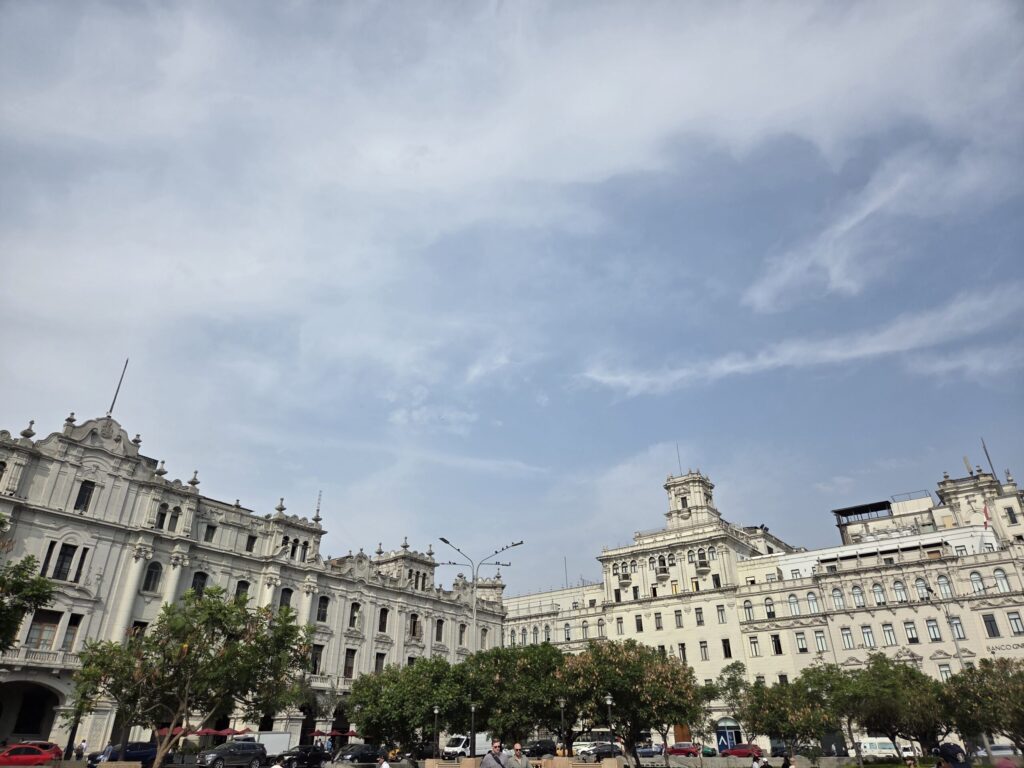
Lima is messy, chaotic, and one of the best food cities on the planet.
The city sprawls along the Pacific coast with neighborhoods that feel like separate cities. Miraflores and Barranco are where most digital nomads and expats land. Miraflores delivers the polished, tourist-friendly experience with oceanfront parks, shopping malls, and endless cafes. Barranco offers a more artistic, bohemian atmosphere with street art, live music venues, and a younger crowd.
Safety in Lima varies dramatically by neighborhood. Miraflores and Barranco are safe for solo female travelers during the day and evening. Stick to well-lit streets after dark. Avoid walking alone in less populated areas after 10 PM. Downtown Lima (Centro Histórico) requires more awareness. Pickpocketing is common in crowded areas. Do not carry valuables you cannot afford to lose.
Coworking spaces and cafes:
- Comunal Coworking in Barranco is the social hub for digital nomads. Monthly memberships include access to events, workshops, and networking meetups.
- Selina Miraflores offers coworking, accommodation, and a built-in community of travelers and remote workers.
- Local cafes like Cafe Bisetti and Full Coffee Roasters provide strong WiFi and power outlets, but seating fills quickly during peak hours.
Food in Lima is the main attraction. Ceviche costs 8 to 15 USD at neighborhood cevicherias. Anticuchos (grilled beef heart skewers) sell for 3 USD from street vendors. Fine dining at restaurants like Central or Maido ranks among the best in the world, but you will pay 80 to 150 USD per person.
Weather is a factor. Lima experiences a thick marine layer (called garúa) from May to October. The sky stays gray for months. It rarely rains, but the lack of sun affects mood. If you need sunlight to function, time your Lima stay for the summer months (December to March).
Lima works for digital nomads who prioritize food culture, ocean access, and a thriving expat community. The infrastructure is improving, but it is not as polished as Santiago or Buenos Aires. The trade-off is authenticity and some of the best cuisine in South America.
Cusco, Peru
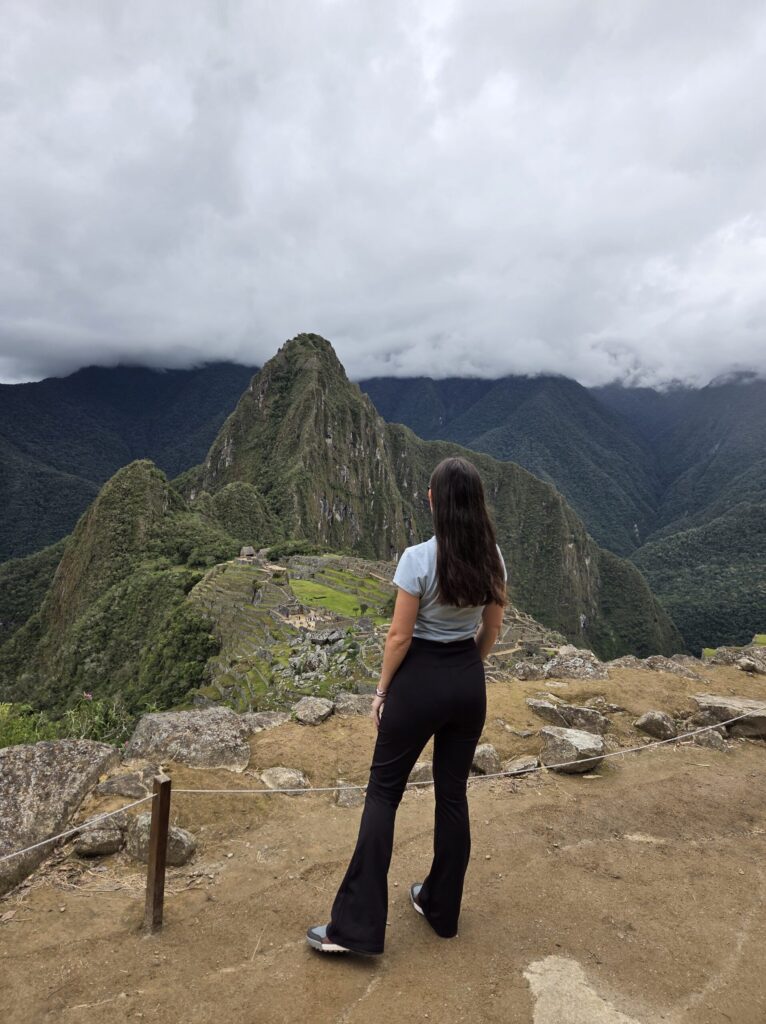
My absolute favorite place in Peru! Cusco sits at 3,400 meters above sea level, and the altitude hits you the moment you step off the plane.
This is the gateway to Machu Picchu, which means the city operates primarily as a tourist hub. Cobblestone streets, colonial architecture, and Incan ruins create a setting that feels frozen in time. For digital nomads, Cusco presents a challenging trade-off between cultural immersion and functional infrastructure.
The altitude is the first hurdle. Many people experience headaches, fatigue, nausea, and shortness of breath for the first few days. Some adjust within a week. Others struggle for the entire stay. Drink coca tea, stay hydrated, avoid alcohol initially, and give your body time to acclimate before attempting any serious work or hiking.
Internet infrastructure is inconsistent. WiFi speeds vary wildly between cafes and accommodations. The tourist-heavy areas in the city center have better connections, but expect interruptions. Coworking spaces are limited. Most digital nomads work from cafes like Jack’s Cafe, Green Point, or Cicciolina, which offer decent WiFi and workspace-friendly environments.
- Cost of living: Cusco is affordable. Short-term rentals cost 250 to 450 USD monthly. Meals at local restaurants run 4 to 10 USD. Tourist restaurants charge double or triple those prices.
- Safety: Cusco is relatively safe, but petty theft targeting tourists is common. Keep bags in front of you in crowded areas. Avoid walking alone in isolated areas after dark, especially outside the main tourist zones.
- Social scene: The backpacker and traveler community is massive. Finding people to connect with is easy. Finding other serious remote workers is harder. Most people in Cusco are passing through, not settling in for months of focused work.
- Cultural access: Cusco offers unmatched access to hiking, ruins, markets, and Andean culture. Sacred Valley day trips, Rainbow Mountain hikes, and Machu Picchu tours are all within reach.
Cusco works best as a short-term cultural immersion rather than a long-term work base. The altitude, inconsistent WiFi, and tourist-heavy atmosphere make sustained productivity challenging. Spend a few weeks here to explore the region, then move to Lima or Arequipa for better infrastructure.
Arequipa, Peru
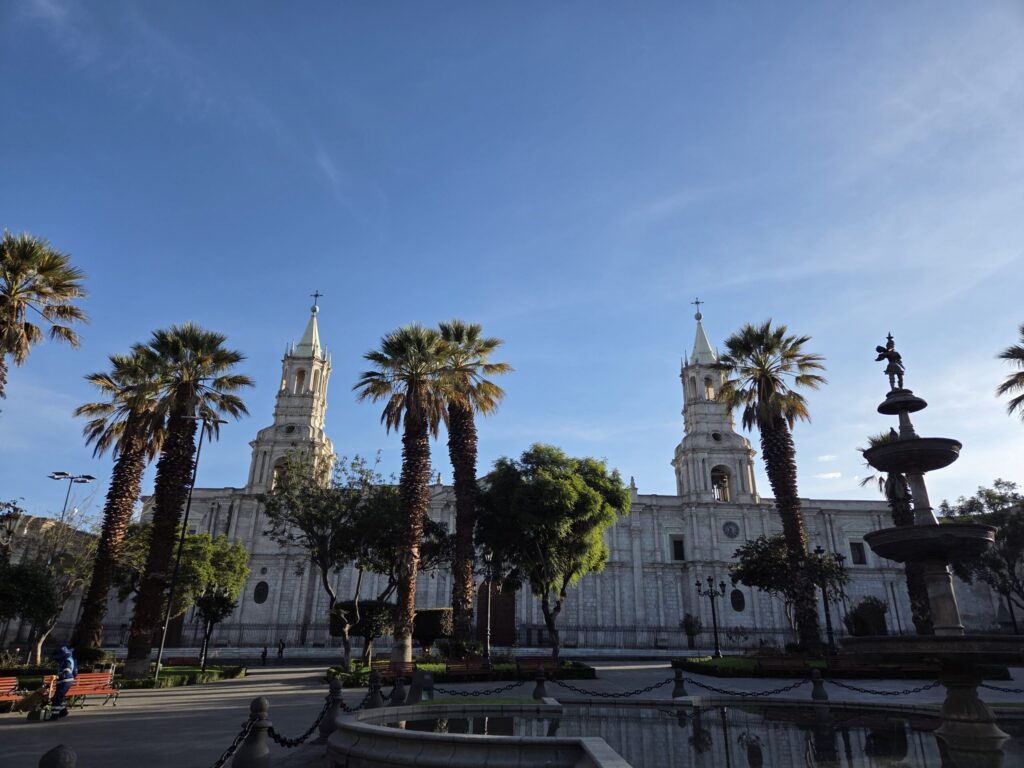
Arequipa is the Peruvian city that flies under the radar while delivering everything digital nomads actually need.
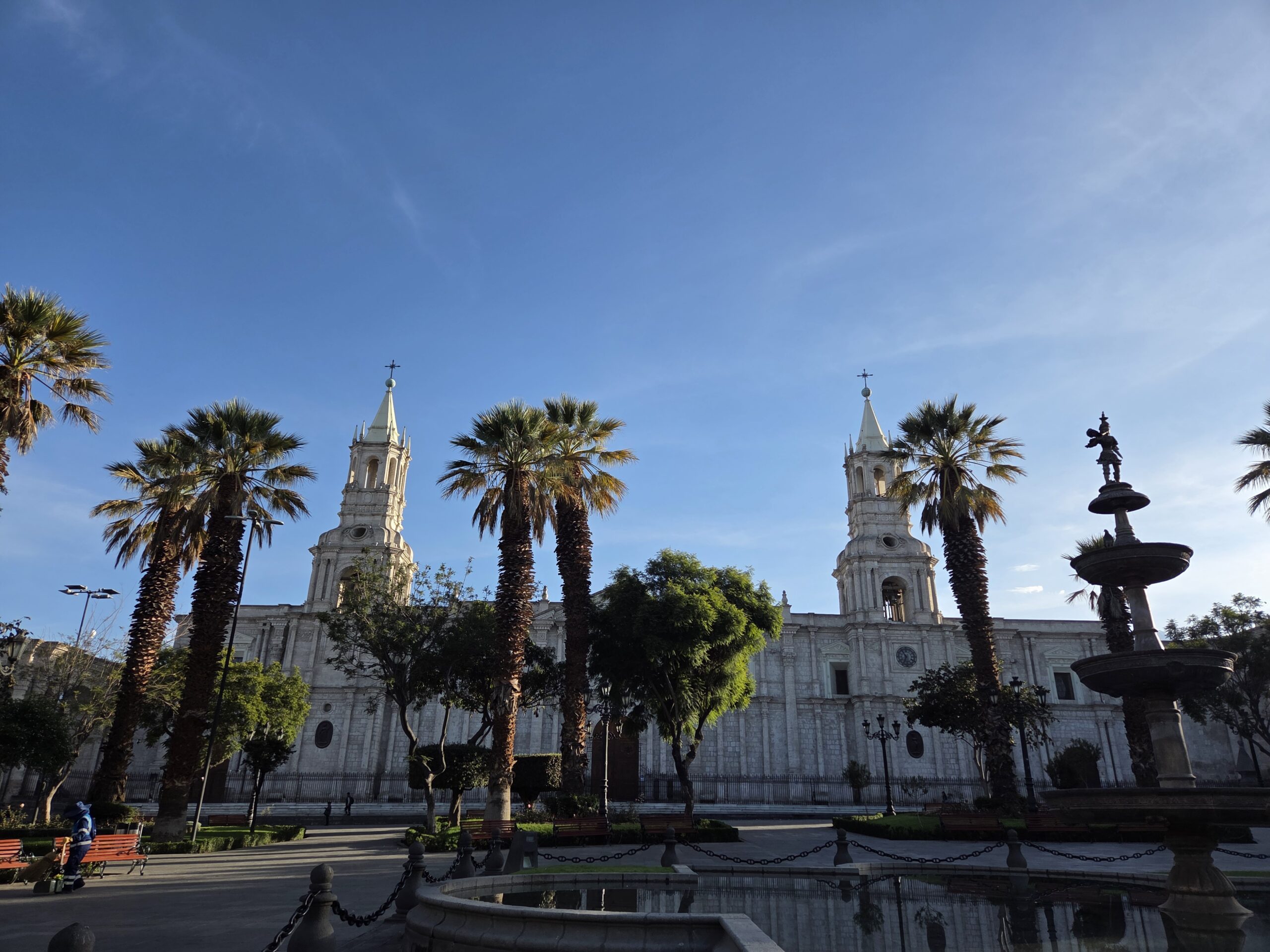
Nicknamed the White City for its colonial buildings constructed from white volcanic stone, Arequipa sits at 2,300 meters elevation—high enough to notice but low enough to avoid the brutal altitude sickness that hits in Cusco. The city combines colonial charm with modern infrastructure, creating a livable environment that balances culture and functionality.
Safety in Arequipa is solid. The city center and residential neighborhoods feel safe during the day and evening. Women walk alone without the constant vigilance required in Lima. Petty theft exists, but violent crime targeting foreigners is rare. Stick to well-populated areas after dark and use ride-sharing apps for late-night transportation.
- Internet and coworking: WiFi speeds are reliable in the city center. Coworking spaces like Cirklo Cowork and Comunal 24 offer dedicated workspaces, meeting rooms, and monthly memberships. Cafes like Cafeteria Mosaico and Cafe Montreal provide strong connections and workspace-friendly atmospheres.
- Cost of living: Arequipa is cheaper than Lima. One-bedroom apartments in safe neighborhoods cost 250 to 400 USD monthly. Meals at local restaurants run 4 to 8 USD. The city delivers Lima’s livability at a fraction of the cost.
- Expat community: The digital nomad scene is smaller than Lima or Cusco, but a growing community of remote workers and long-term travelers is establishing roots. Facebook groups and coworking spaces make connections possible.
- Outdoor access: Colca Canyon, one of the deepest canyons in the world, is a few hours away. Volcano hikes, hot springs, and mountain trekking are accessible on weekends.
Arequipa suits digital nomads who want Peruvian culture without the tourist crowds of Cusco or the chaos of Lima. The city is functional, affordable, and provides enough infrastructure to support long-term stays without sacrificing authentic local experiences.
Florianopolis, Brazil
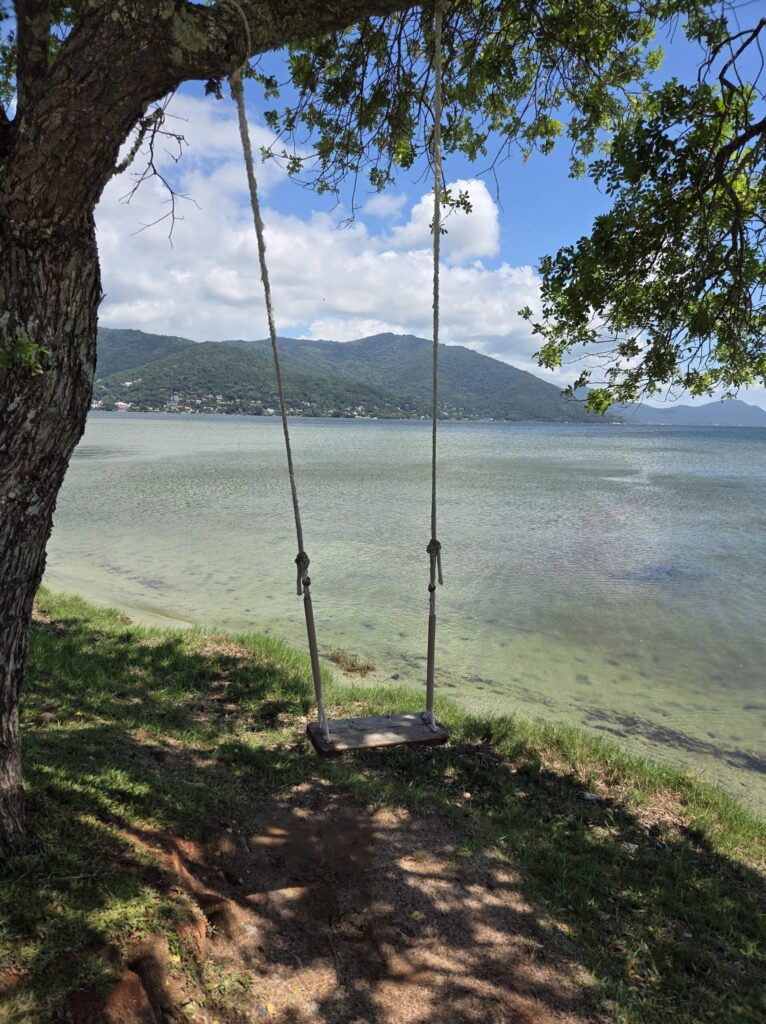
Florianopolis is where Brazilian beach culture meets digital nomad infrastructure. I fell in love with this place immediately.
The city spreads across an island off Brazil’s southern coast, offering 42 beaches, consistent surf, and a quality of life that attracts remote workers from across South America and beyond. Florianopolis (called Floripa by locals) balances natural beauty with modern amenities, creating a lifestyle that feels more like a permanent vacation than a work base.
Safety in Florianopolis is generally good compared to other Brazilian cities. Violent crime exists but rarely targets tourists or expats. Petty theft happens on beaches and in crowded areas. Do not leave belongings unattended on the beach. Avoid wearing expensive jewelry or carrying visible electronics in tourist zones. Neighborhoods like Lagoa da Conceição, Canasvieiras, and Centro are safe during the day and evening.
- Beach and outdoor access: Surfing, stand-up paddleboarding, hiking, and kitesurfing dominate the lifestyle. Beaches range from calm, family-friendly shores to powerful surf breaks. The island offers something for every outdoor preference.
- Coworking culture: Spaces like Wework Floripa, Coworking Desterro, and The Office provide dedicated workspaces with strong WiFi, meeting rooms, and networking events. The coworking scene is growing but smaller than Buenos Aires or Medellín.
- Cost of living: Florianopolis is more expensive than most South American cities but cheaper than major Brazilian cities like São Paulo or Rio. One-bedroom apartments in Lagoa da Conceição cost 500 to 800 USD monthly. Meals at local restaurants run 8 to 15 USD.
- Language barrier: English is less common than in Buenos Aires or Medellín. Portuguese dominates daily life. Basic Portuguese phrases make interactions smoother, especially outside tourist-heavy areas.
Florianopolis works for digital nomads who prioritize beach access, outdoor activities, and a relaxed lifestyle. The infrastructure supports remote work, but the temptation to skip work and hit the beach is constant. If you need structure and focus, Florianopolis tests your discipline. If you want work-life integration tilted heavily toward life, this is the place.
Medellín, Colombia
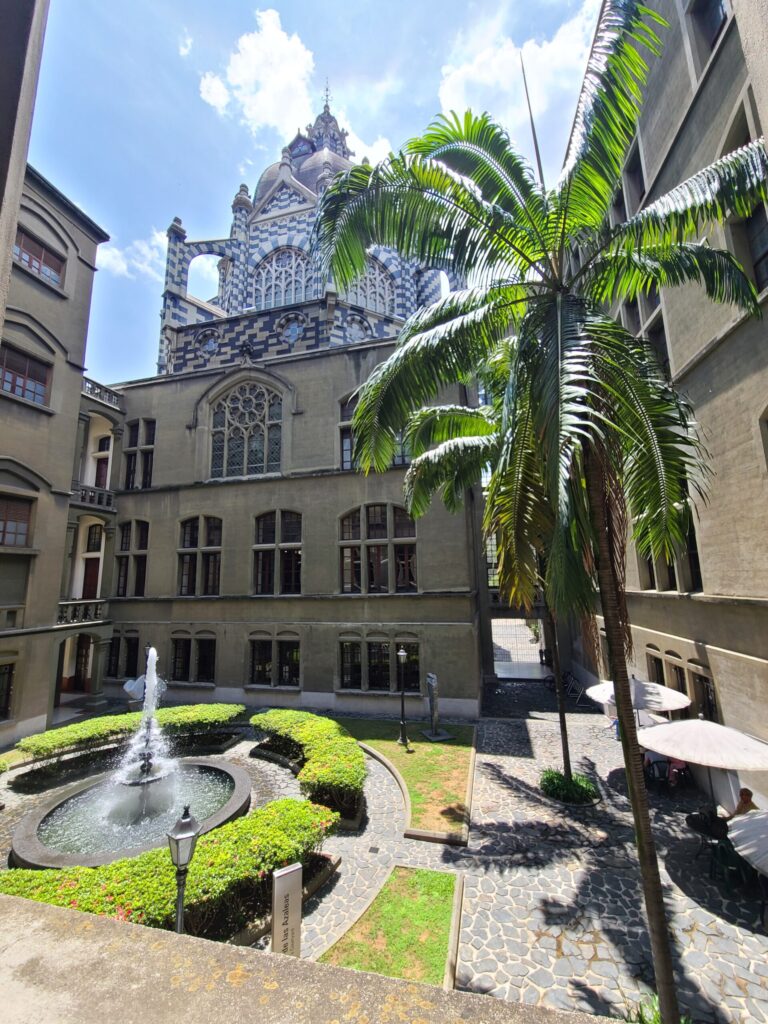
Medellín transformed from one of the most dangerous cities in the world to a digital nomad hotspot in less than two decades.
The city sits in a valley at 1,500 meters elevation, which gives it eternal spring weather. Temperatures hover between 18 and 28 degrees Celsius year-round. The metro system is the only one in Colombia and connects cable cars that climb into the mountainside neighborhoods. The infrastructure improvements over the past 20 years are visible everywhere, from public libraries to outdoor escalators in hillside communities.
El Poblado is the digital nomad epicenter. This neighborhood hosts the majority of coworking spaces, expat-friendly cafes, hostels, and short-term rental apartments. Parque Lleras is the nightlife center within El Poblado. It gets loud, crowded, and touristy. Nearby neighborhoods like Envigado and Laureles offer quieter alternatives with lower rent and fewer tourists.
Safety in Medellín requires awareness. El Poblado is generally safe during the day and evening, but petty theft happens. Do not walk alone late at night outside well-populated areas. Avoid accepting drinks from strangers. Do not use dating apps to meet people in private locations without telling someone your plans. Scopolamine drugging (using a substance to incapacitate victims) is a real threat, though rare. Stay alert, especially in nightlife settings.
Coworking and community:
- Selina Medellín combines coworking, accommodation, and a built-in social scene. The rooftop terrace hosts daily events, meetups, and networking sessions.
- Atom House offers a quieter, more focused coworking environment with private offices and meeting rooms.
- Facebook groups like “Digital Nomads Medellín” and “Medellín Expats” connect newcomers with long-term residents for social events, apartment recommendations, and local advice.
Cost of living is low. A one-bedroom apartment in El Poblado costs 400 to 700 USD monthly. Meals at local restaurants run 3 to 8 USD. Coworking memberships range from 80 to 150 USD per month depending on the space and amenities.
Medellín attracts digital nomads who want warm weather, low living costs, and an active social scene. The infrastructure supports remote work. The community is welcoming. The safety concerns are manageable with awareness and common sense.
Montevideo, Uruguay
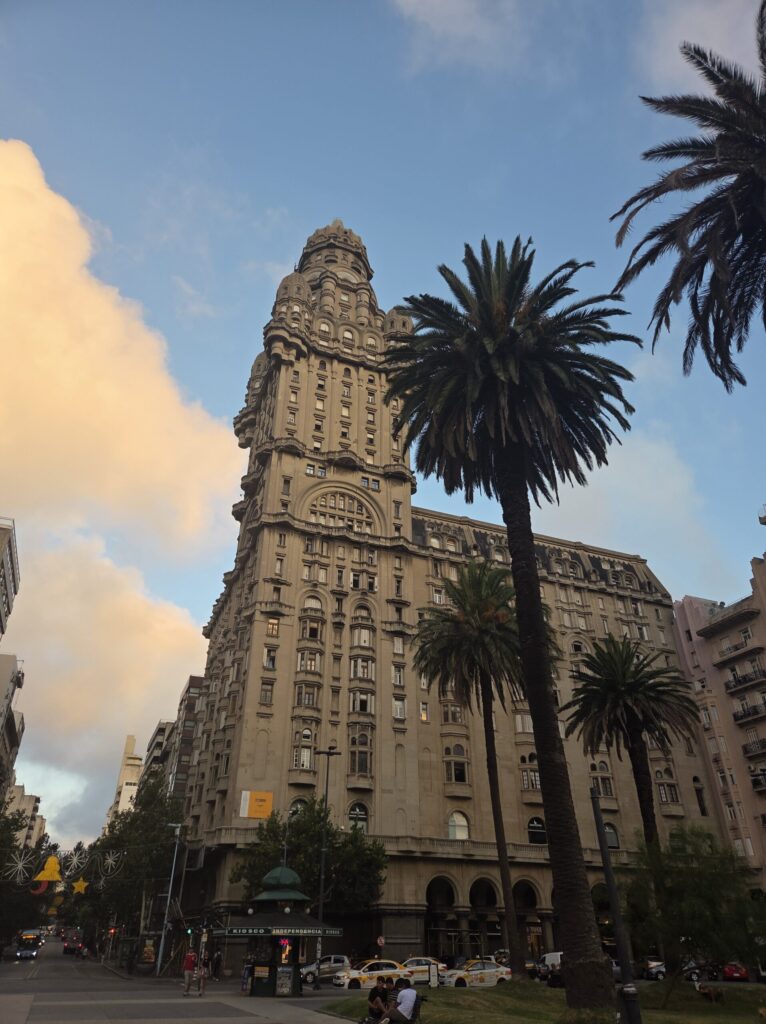
Montevideo is the sleeper city that almost no one talks about, and that is exactly its appeal.
Uruguay is the most stable, safest country in South America. Montevideo, the capital, operates at a slower pace than Buenos Aires or Santiago. The city sits on the coast with beaches accessible by bus within 20 minutes. The architecture feels European. The streets are wide and clean. The vibe is relaxed to the point of sleepy.
Safety in Montevideo is exceptional. Women walk alone at night without issue in neighborhoods like Punta Carretas, Pocitos, and Centro. Violent crime is rare. Petty theft exists but is far less common than in other South American capitals. The city feels more like a large town than a bustling metropolis.
The downside is the lack of social infrastructure for digital nomads. Montevideo does not have the coworking culture or expat communities found in Buenos Aires, Medellín, or Lima. There are a few coworking spaces like Sinergia Cowork and La Barra Espacio de Coworking, but they lack the networking events and social activities that make other cities feel connected.
Cost of living is moderate. Montevideo is more expensive than Medellín or Lima but cheaper than Santiago. A one-bedroom apartment in Pocitos costs 600 to 900 USD monthly. Meals at local restaurants run 10 to 18 USD. Groceries are pricier than neighboring Argentina or Brazil due to import taxes.
Internet infrastructure is solid. Uruguay has some of the fastest internet speeds in South America. Fiber optic connections are standard in most neighborhoods. Cafes and coworking spaces provide reliable WiFi.
Montevideo left mixed feelings. The city is safe, functional, and calm, but it cannot be compared to Buenos Aires in terms of how livable and lively the place is. The social scene is quieter, the cultural offerings are limited, and the energy level is lower. Montevideo is also more expensive than Argentina, which makes the trade-offs harder to justify unless safety is your absolute top priority.
Montevideo suits digital nomads who value safety, stability, and a quiet lifestyle over social opportunities and nightlife. If you want to disappear into a calm, functional city where nothing dramatic ever happens, Montevideo delivers. But if you need energy, culture, and community, Buenos Aires offers a better overall package despite being less safe.
Asunción, Paraguay
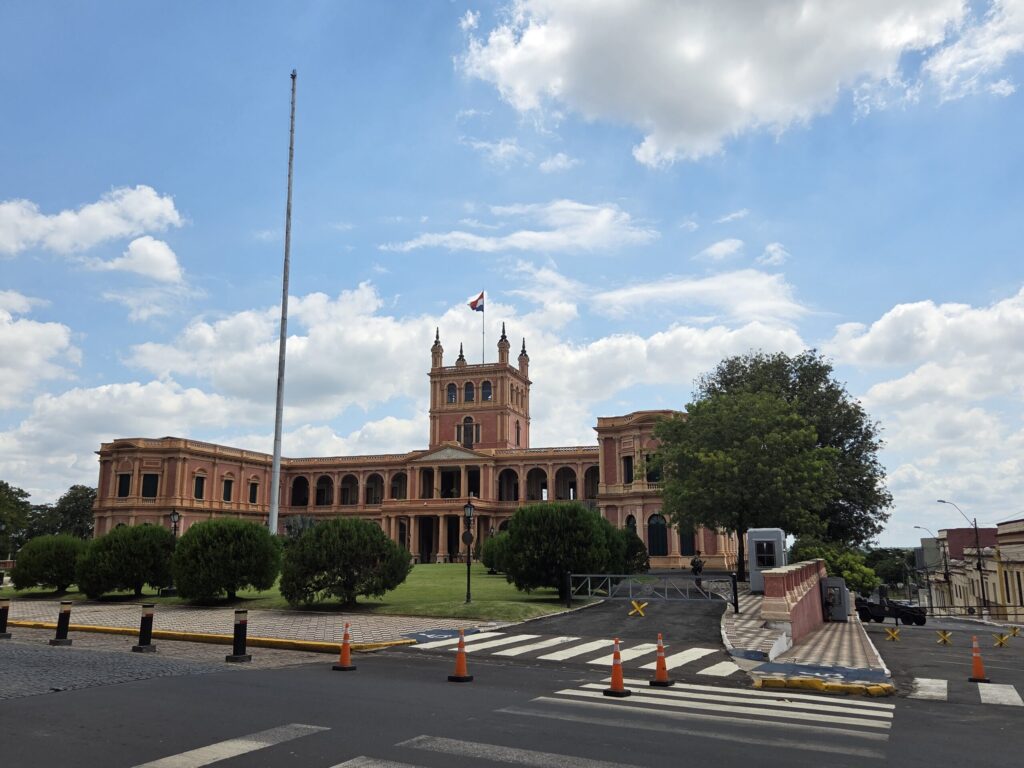
Asunción is the city almost no one considers, and that is both its strength and weakness.
Paraguay is landlocked, economically developing, and rarely mentioned in digital nomad conversations. Asunción, the capital, sits along the Paraguay River with a subtropical climate that swings between oppressively hot summers and mild winters. The city lacks the polish of Buenos Aires or Santiago, but it offers extremely low living costs and a growing expat community of entrepreneurs, traders, and remote workers drawn by favorable tax policies.
Safety in Asunción is moderate. The city is safer than Lima or Bogotá but requires awareness. Petty theft happens, especially in crowded areas like Mercado 4. Stick to neighborhoods like Villa Morra, Carmelitas, and Las Lomas for safer, more walkable streets. Avoid downtown areas after dark unless you are with a group.
Coworking infrastructure is limited but improving. Spaces like Coworking Asunción and Impact Hub Paraguay serve the small but growing remote work community. The social scene is minimal compared to other South American cities. Most expats connect through Facebook groups or local meetups organized informally.
Living costs are among the lowest in South America. A one-bedroom apartment in Villa Morra costs 300 to 500 USD monthly. Meals at local restaurants run 4 to 10 USD. Groceries are cheap, especially local produce and meat.
Residency and tax benefits attract long-term expats. Paraguay offers one of the easiest residency programs in South America. The process takes a few weeks, costs under 6,000 USD including legal fees, and grants permanent residency. The country also operates a territorial tax system, meaning foreign-sourced income is not taxed. This makes Asunción appealing for digital entrepreneurs and traders.
Asunción is not for everyone. The city lacks the infrastructure, culture, and social opportunities found in other South American capitals. But for remote workers prioritizing low costs, easy residency, and tax advantages, Asunción offers a functional base that flies under the radar.
How to Choose the Right City for Your Travel Style
Picking the wrong city wastes time, money, and emotional energy.
The best South American city for you depends on what you value most.
If safety is your top priority, Montevideo and Santiago rank highest. Both cities allow solo female travelers to walk freely at night without constant vigilance.
If social opportunities and community matter, Buenos Aires, Medellín, and Lima have the largest, most active expat and digital nomad networks. You will find events, meetups, and people to connect with daily.
If you prioritize low living costs, Asunción, Medellín, Lima, Salta, and Arequipa deliver affordable rent, food, and coworking memberships without sacrificing basic infrastructure.
Consider your tolerance for chaos. Buenos Aires and Lima thrive on noise, traffic, and constant movement. If you need quiet and order to function, those cities will drain you. Santiago and Montevideo operate predictably with clean streets, functioning public transit, and minimal surprises.
Think about weather preferences. Medellín offers eternal spring. Florianopolis delivers beach access and coastal weather. Lima provides coastal access but months of gray skies. Cusco and Salta sit at altitude with cooler temperatures. Buenos Aires swings between hot, humid summers and cold, rainy winters. Bariloche brings alpine conditions with seasonal extremes. Choose based on what climate helps you stay productive and happy.
Evaluate how much you need an established expat community. Some people thrive solo and build local connections slowly. Others need immediate social access to avoid isolation. If you fall into the latter group, skip Montevideo, Asunción, Salta, Bariloche, and Arequipa. Stick with Buenos Aires, Medellín, or Lima where finding your people takes days, not months.
The city that works is the one that aligns with your values, work style, and personal tolerance for unpredictability. There is no universal best choice. Only the best choice for you.
Bottom Line
South America offers some of the best cities in the world for digital nomads and solo female travelers who know where to look. The infrastructure exists. The communities are real. The costs are manageable. The experiences go deeper than tourist itineraries because you are living in these places, not just passing through.
Choose your city based on what you value most. Pick the right neighborhood. Build routines. Show up consistently. The rest falls into place.
About The Author
